|
|
|
|

|
An inclusive community advocating for learners with gifted education needs, their families, and educators
|
|
|
|
|
Hello GiftedNYS Community,
|
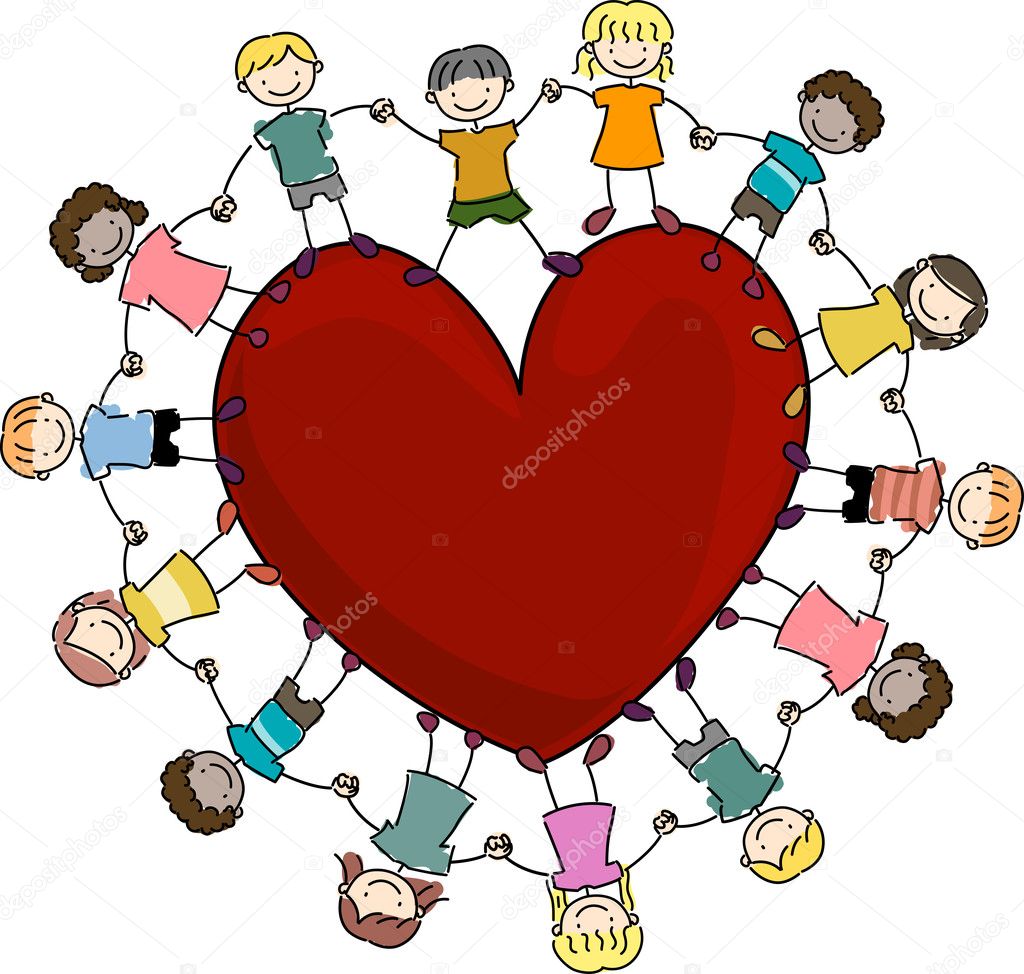
This month, we are excited to focus on the power of connection as we support the mental health of gifted and twice-exceptional (2e) children! As we continue to navigate the unique needs of our neurodivergent learners, understanding how they give and receive love is a powerful tool in building strong, more supportive relationships. In this issue, we are diving into the 5 Neurodivergent Love Languages, offering helpful insights to help you connect and thrive together with the children, students, and clients you care about.
|
For gifted and 2e children, feeling understood and supported is critical. The challenges they face are often invisible, but the power of authentic connection can help them thrive. Whether you are a parent, teacher, or service provider, you play a key role in fostering this connection.
|
We hope the resources in this issue empower you to create a nurturing environment where our exceptional learners can feel celebrated, seen, and supported.
|
Here's to making meaningful connections, learning from each other, and supporting one another as we grow together in our shared mission to help gifted and 2e children thrive. To stay connected as we continue to advocate for our children in NYS, join us at our April 8th Virtual Meet Up!
|
|
|
|
|
|
Advocacy Corner
|
Love, the Neurodivergent Way: 5 Unique Languages of Connection
|
|
|
Understanding how neurodivergent children express love can help us meet them where they are, and strengthen our bond in the process.
|
|
Neurodivergent individuals often express and receive affection differently than their neurotypical peers. These unique love languages reflect the diverse ways neurodivergent minds connect with others—often through action, presence, or shared interests rather than traditional expressions of affection.
|
|
|
|
|
By learning to recognize and support these forms of connection, we can build stronger, more authentic relationships with our children. Here are five common neurodivergent love languages and simple ways to honor them in your child’s daily life.
|
|
Parallel Play
|
This involves sharing space without direct interaction, allowing individuals to engage in separate activities. It can be especially helpful for children who may feel more comfortable when not pressured to interact.
|
Tip: Spend time in the same room with your child while doing your own activities, like reading, drawing, or building something. Your presence matters, even without conversation.
|
Info-Dumping
|
Many neurodivergent children show affection by sharing everything they know about a topic they love. It’s a form of connection, communication, and vulnerability.
|
Tip: Listen with interest, ask questions, and celebrate their passion. When you engage, you’re showing them they are seen and valued for who they are.
|
Penguin Pebbling
|
Inspired by how penguins give pebbles to potential mates, this love language shows up as small, meaningful gifts—like a drawing, trinket, or inside joke shared with care.
|
Tip: When your child gives you a note or shares something special, acknowledge it warmly. You can also return the gesture with a small token, joke, or favorite quote left just for them.
|
Support Swapping
|
Offering or receiving help is another powerful expression of love. For many neurodivergent children, knowing someone is tuned in to their needs—especially during moments of overwhelm—is deeply comforting.
|
Tip: Step in gently, or offer to help with tasks when your child seems overwhelmed or tired. Let them know it’s okay to ask for assistance when they need it.
|
Deep Pressure
|
Physical sensations like tight hugs, squeezes, or weighted blankets can be soothing and deeply connecting for children who seek sensory input.
|
Tip: If your child responds well to physical comfort, offer deep hugs, provide a cozy weighted blanket, or let them guide you in the type of touch that feels good to them.
|
For a deeper dive into the 5 Neurodivergent Love Languages, we recommend this article from VeryWellMind click here!
|
|
|
|
State of the State: Local Advocacy in Action
GiftedNYS’ March 12th State of the State event focused on advocacy efforts that parents and educators can take at the local level to create meaningful change for gifted and twice-exceptional (2e) learners. The session was packed with practical strategies and inspiration to help elevate your voice in your school community. Some helpful tips shared during the event included:
|
- Align your language and approach with district priorities
- Emphasize that meeting the needs of high-ability students benefits ALL students
- If possible, volunteer in ways unrelated to your personal “ask”
- Be politely persistent
- Remember: If you're not at the table, there's a good chance you're on the menu
Have a local advocacy win you'd like to share? Send us a note, we'd love to hear your story! Your experience could inspire and empower others in our community.
|
|
|
|
Perspectives Corner
|
|
|
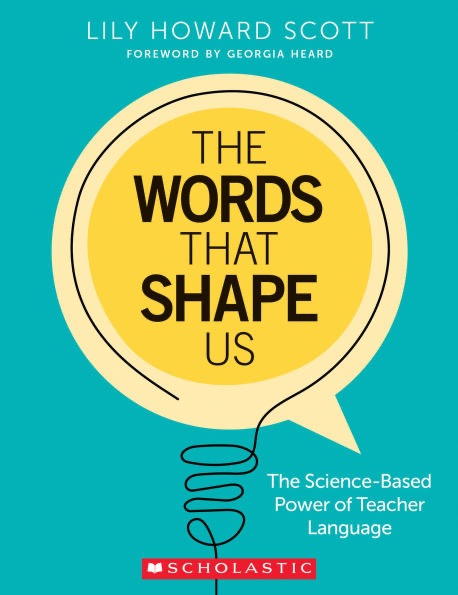
Book Review: The Words That Shape Us by Lily Howard Scott
|
Reviewed by Kathryn Cohen, GiftedNYS
|
|
|
|
|
As someone who thinks a lot about how learning environments affect our kids, I found The Words That Shape Us by Lily Howard Scott both powerful and deeply affirming. Scott draws from her work as a teacher and SEL expert to show how the language adults use with children can have a lasting impact on how they see themselves and their place in the world. Her writing is grounded in research but feels personal and accessible, offering practical strategies without losing sight of the human side of teaching and caregiving.
|
|
|
|
What stood out most to me is how relevant this book is for those of us raising or working with neurodivergent learners. Scott reminds us that every interaction—every word—has the potential to either build a child up or make them feel less than. For our gifted and 2e kids, who are often navigating environments that weren’t designed with them in mind, this message is especially important. The Words That Shape Us is a must-read if you’re looking to create more affirming, connected spaces where all children can truly thrive.
|
|
|
|
|
|
SuperBetter: Build Resilience Through Play
|
Using the power of play to strengthen real life skills, SuperBetter is a game-based app for ages 8–15 that helps kids build emotional resilience and regulate stress through fun, interactive challenges. Players complete quests, set personal goals, and earn rewards while learning to manage emotions like anxiety and frustration.
|
|
|
|
What do we love about it?
The app was created by game designer Jane McGonigal, who developed SuperBetter after using game principles to support her own recovery from a traumatic brain injury. For gifted and twice-exceptional children, emotional intensity can be a daily challenge. SuperBetter turns emotional regulation into a playful, empowering experience—meeting kids where they are and helping them build confidence and coping skills in a way that feels fun, not clinical. It’s a powerful tool for supporting mental wellness while keeping kids engaged.
|
|
Learn more about SuperBetter HERE!
|
|
|
|
April Virtual Meet Up
|
|
Join us to connect with other families and educators throughout NYS who know learners with gifted education needs deserve equitable opportunities to excel.
|
|
|
|
|
|
|
|
|
|
|
|
|
|
|
We are always seeking dedicated volunteers to help advance GiftedNYS's mission. Even 2-3 hours a month will have a meaningful and positive impact on our community. To learn more visit https://giftednys.org/get-involved/volunteer/.
|
|
|
|
|
|
|
If this newsletter was forwarded to you and you'd like to receive future GiftedNYS newsletters, advocacy updates, and information about interesting events, subscribe to our mailing list by visiting https://giftednys.org/about-us/newsletter/. Its quick and free to subscribe!
|
|
|
|
|
|
About GiftedNYS
|
|
Gifted New York State, Inc. (GiftedNYS), is a 501 (c) 3 not-for-profit organization of parents, educators, and professionals who have come together to support the needs of New York’s gifted and twice-exceptional (2E) student population and their families. To learn more about our work, visit us online at www.giftednys.org.
|
|
|
At GiftedNYS, the information we share is guided solely by our mission to support gifted and twice-exceptional learners—not by outside interests. If we mention resources, tools, or strategies, it's because we believe they may be helpful for families and educators. We do not receive compensation for these mentions and we do not endorse specific companies or products.
|
|
 
|
|
|
|